
Creamy Cottage Cheese Chicken Skillet (High-Protein, One-Pan Dinner)
If you’re tired of dry chicken dinners or heavy cream-based sauces that feel too rich, this creamy cottage cheese chicken skillet might surprise you. It’s one of those recipes that sounds a little unusual at first, but once you try it, it just makes sense.
Instead of relying on heavy cream, this recipe uses blended cottage cheese to create a rich, velvety sauce that’s surprisingly light and packed with protein. The result? Tender, juicy chicken coated in a smooth, flavorful sauce that feels indulgent, but is actually a much healthier option.
Even better, everything comes together in one pan in about 25 minutes, making it perfect for busy weeknights, quick meal prep, or when you just need something easy that doesn’t taste basic.
Whether you’re looking for a high-protein dinner, a lighter comfort meal, or just a new way to make chicken exciting again, this recipe delivers on all fronts.
Why You’ll Love This Cottage Cheese Chicken
This isn’t just another random chicken recipe; it’s one of those meals you’ll come back to when you want something quick, satisfying, and a little healthier without sacrificing flavor.
- High in protein without feeling heavy
Thanks to the cottage cheese, this dish packs a solid protein boost while staying lighter than traditional cream-based chicken recipes. - Creamy without using heavy cream
You still get that rich, satisfying texture, just without the extra fat or heaviness that usually comes with it. - Quick and easy one-pan meal
Everything cooks in a single skillet and comes together in about 25 minutes, which makes it ideal for busy weeknights. - Perfect for meal prep
It reheats well and keeps its flavor, so you can make it ahead and have a reliable high-protein option ready to go. - Customizable to your taste
You can easily add vegetables, adjust the spice level, or tweak the seasoning based on what you like.

Cottage Cheese Chicken Ingredients
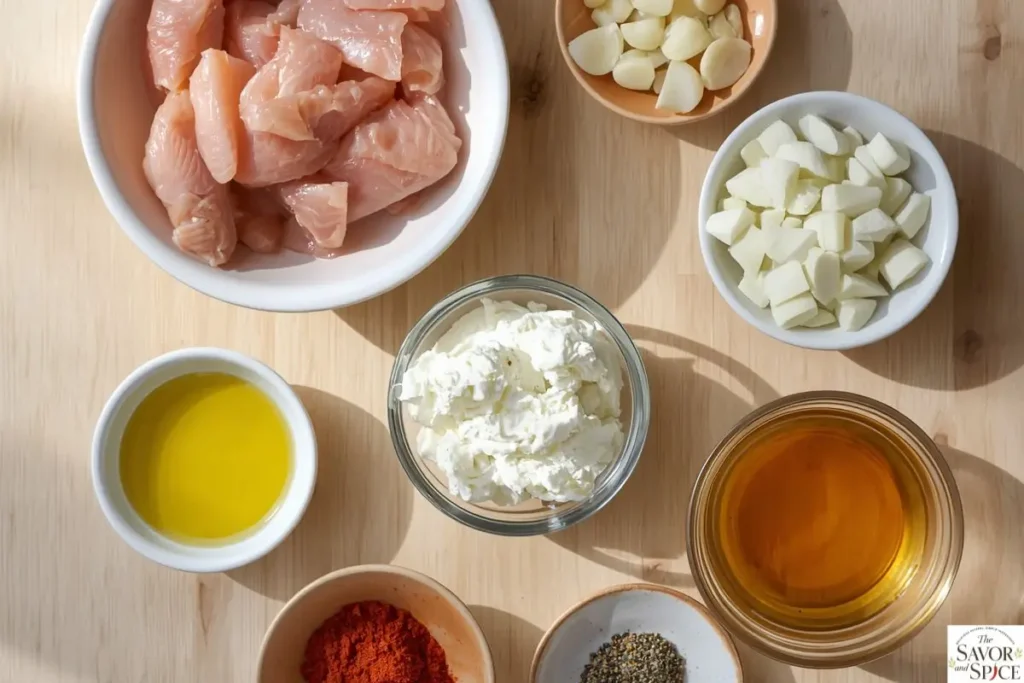
This recipe uses simple, everyday ingredients, but each one plays an important role in building that creamy, flavorful skillet.
For the Chicken
- Chicken breast or thighs (boneless, skinless): Cut into bite-sized pieces for even cooking and better sauce coverage. Sometimes i sneak into my leftover slow-cooked chicken breast.
- Salt and black pepper: To season the chicken and bring out its natural flavor.
- Olive oil (or any cooking oil): Helps sear the chicken and adds a light richness.
For the Creamy Cottage Cheese Sauce
- Cottage cheese: The star ingredient. Use full-fat or low-fat, depending on your preference.
- Garlic (freshly minced): Adds depth and a bold, savory flavor.
- Onion (finely chopped): Builds a subtle sweetness and base flavor for the sauce.
- Chicken broth (or water): Helps loosen the sauce and create a smooth consistency.
- Italian seasoning (or mixed herbs): Adds a balanced blend of flavor.
- Paprika (optional): For a hint of warmth and color.
Optional Add-Ins (Highly Recommended)
- Spinach: Adds color, nutrients, and pairs beautifully with the creamy sauce.
- Mushrooms: Great for extra texture and a deeper, savory flavor.
- Red pepper flakes: If you like a little heat.
For the best texture, blend the cottage cheese with a splash of broth before adding it to the pan. This helps create a silky, lump-free sauce.
How to Make Creamy Cottage Cheese Chicken Skillet
This recipe comes together in one pan and takes about 25-30 minutes from start to finish. The key is building flavor in layers, then finishing everything in a smooth, creamy sauce.
Step 1: Season the chicken
Start by cutting your chicken into bite-sized pieces. Pat them dry, then season generously with salt and black pepper. This simple step helps lock in flavor and gives the chicken a better sear.

Step 2: Sear until golden
Heat olive oil in a large skillet over medium heat. Add the chicken and cook for a few minutes on each side until it turns golden brown. You don’t need to cook it fully at this stage, just get a nice color on the outside. Once done, remove and set aside.

Step 3: Build the flavor base
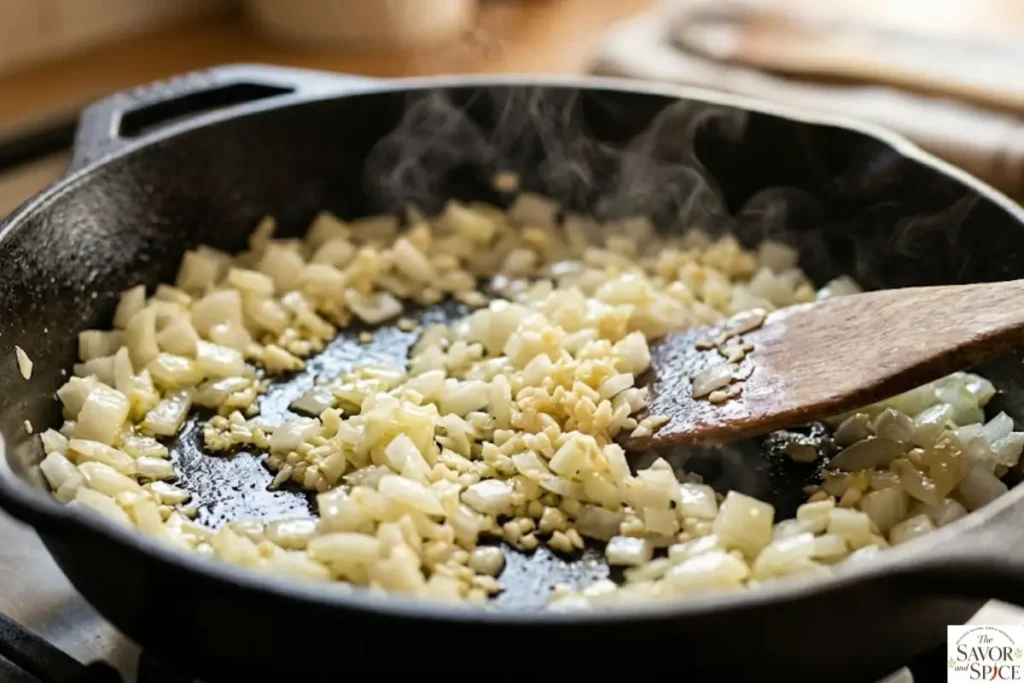
In the same pan, add a little more oil if needed, then sauté the chopped onion until soft. Add minced garlic and cook for about 30-60 seconds until fragrant. This step builds the foundation of your sauce.
Step 4: Blend the cottage cheese sauce
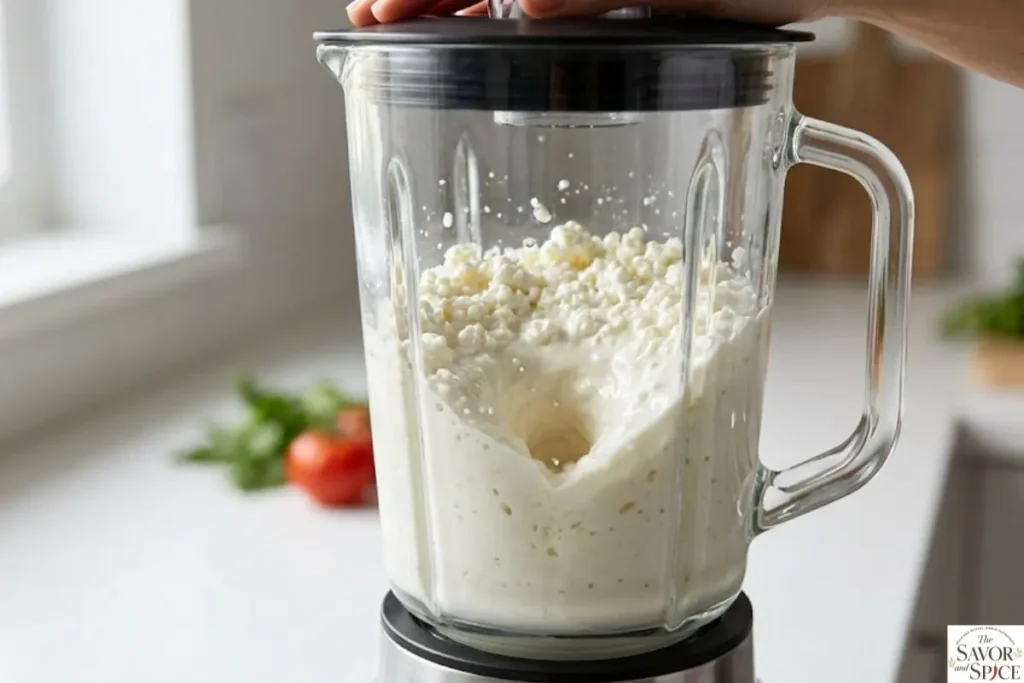
In a blender or food processor, combine cottage cheese and chicken broth. Blend until completely smooth and creamy.
This step is important. Skipping it can leave the sauce grainy instead of silky.
Step 5: Combine everything
Pour the blended cottage cheese sauce into the skillet with the chicken. Stir gently to coat everything evenly. Add parmesan cheese and mix again.

Step 6: Simmer and finish
Let the sauce simmer on low heat for 2-3 minutes until it thickens slightly. Avoid high heat here. This is what keeps the sauce smooth and prevents curdling.
Once done, taste and adjust seasoning if needed. Serve warm.
The key to a smooth sauce is blending the cottage cheese well and keeping the heat gentle after adding it. This keeps the texture creamy instead of grainy.
Pro Tips for the Creamiest Cottage Cheese Sauce
Getting that smooth, restaurant-style creamy texture is all about a few small but important details. These tips will help you avoid common mistakes and make the sauce turn out perfectly every time.
- Always blend the cottage cheese first
Don’t skip this. If you add it straight to the pan, you’ll likely get a grainy texture instead of a smooth, creamy sauce. A blender or food processor makes all the difference. - Keep the heat low after adding the sauce
High heat is the fastest way to ruin this recipe. It can cause separation or curdling. Once the sauce goes in, reduce to low and let it gently thicken. - Use full-fat cottage cheese when possible
Low-fat versions work, but they’re thinner and can make the sauce less rich. Full-fat gives a better, more stable creamy texture. - Adjust the thickness with broth
If the sauce feels too thick, add a small splash of chicken broth. If it’s too thin, let it simmer a bit longer, don’t crank the heat. - Don’t overcook the chicken before adding sauce
The chicken will finish cooking in the sauce. If you fully overcook it early, it’ll turn dry by the end.

What to Serve with Cottage Cheese Chicken
This creamy cottage cheese chicken pairs well with a variety of simple, flavorful sides depending on what kind of meal you want to create.
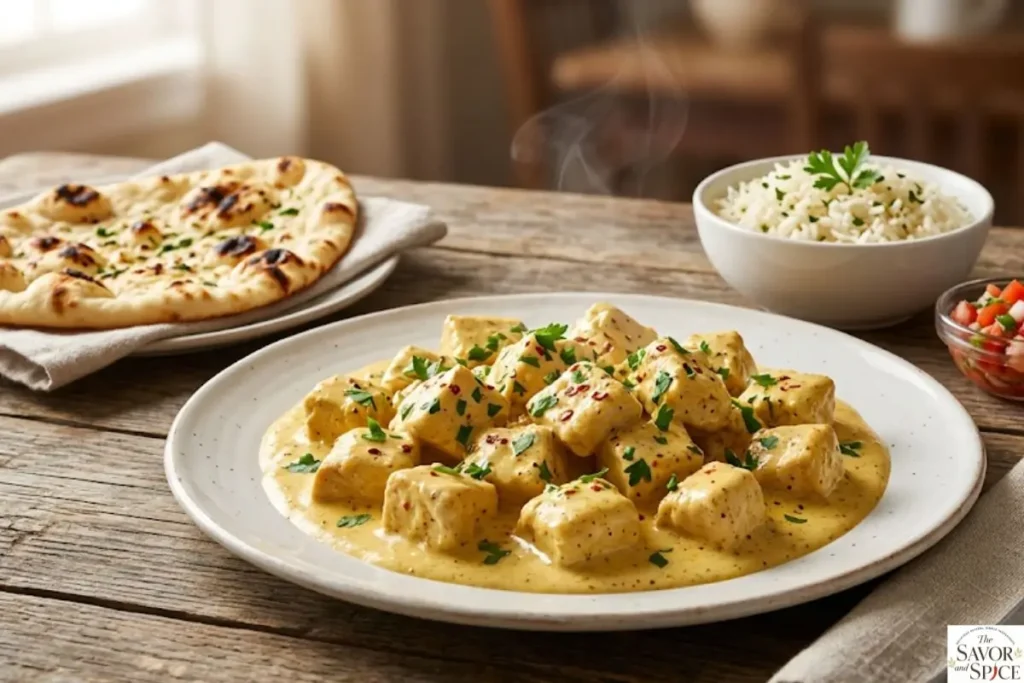
For a rich and comforting dinner, serve it with mashed potatoes or a hearty pasta dish like Million Dollar Spaghetti. Both options soak up the creamy sauce beautifully and turn this into a full, satisfying comfort meal.
If you’re in the mood for something quick and flavorful, garlic rice or garlic butter noodles are excellent choices. They add extra aroma and pair perfectly with the creamy, savory chicken.
For a lighter or low-carb approach, air fryer cauliflower bites make a great crispy side that balances the softness of the skillet. You can also serve it with a fresh pico de gallo to add brightness and freshness to the plate.
If you enjoy creamy pasta-style meals but want something a little different, try pairing it with white sauce pasta without cream. It creates a similar comforting vibe while still keeping the meal balanced.
No matter what you choose, the creamy chicken skillet works as a versatile base that adapts easily to both indulgent and lighter sides.
Common Mistakes to Avoid
Even though this creamy cottage cheese chicken skillet is simple, a few small mistakes can affect the texture and flavor. Here’s what to watch out for so your dish turns out perfectly every time.
Using cottage cheese without blending it
This is the biggest mistake. If you skip blending, the sauce can turn grainy and uneven instead of smooth and creamy.
Cooking on high heat after adding the sauce
High heat can cause the dairy to separate or curdle. Once the cottage cheese mixture is in, keep the heat low and let it gently simmer.
Overcooking the chicken early
Chicken continues to cook once the sauce is added. If you fully cook it in the first step, it can end up dry and rubbery by the end. If you want to know why your chicken is rubbery, here you go.
Under-seasoning the dish
Cottage cheese is mild, so it needs proper seasoning. If you go light on salt, garlic, or spices, the final dish will taste flat.
Adding the sauce too early at high temperature
The sauce needs controlled heat to stay smooth. Dumping it into a very hot pan is a fast way to ruin the texture.
Pro Reminder:
Most “failed” results come from heat control or skipping the blending step not the ingredients themselves.
Can You Taste the Cottage Cheese?
The short answer is NO. You don’t taste it in the final dish when it’s prepared correctly.
Once blended and cooked with garlic, spices, and chicken broth, cottage cheese loses its distinct “cheesy curd” flavor and instead acts more like a neutral creamy base. It absorbs the seasoning in the pan rather than standing out on its own.
Is This Recipe Healthy or Good for High-Protein Diets?
Yes, this cottage cheese chicken skillet is a strong option for anyone looking for a high-protein, balanced meal without relying on heavy, calorie-dense ingredients.
The main protein comes from chicken breast, which is naturally lean and nutrient-dense. Cottage cheese adds an additional protein boost while also replacing heavier ingredients like cream or butter-based sauces. This combination helps increase overall protein content without significantly increasing fat or calories.
It’s also a practical option for meal prep. The protein content helps keep you full for longer, which can reduce unnecessary snacking between meals.
That said, “healthy” depends on how it fits into your overall diet. This recipe is best viewed as a nutrient-dense, high-protein meal option rather than a strict diet food.
Variations and Add-Ins
One of the best things about this creamy cottage cheese chicken is how flexible it is. You can easily customize it based on your taste, diet goals, or whatever you already have in your kitchen.
Add Vegetables for a Balanced Meal
If you want to make this dish more nutrient-rich, adding vegetables is a great option.
- Spinach: Wilts quickly and blends perfectly into the creamy sauce
- Mushrooms: Add a deep, savory flavor and meaty texture
- Bell peppers: Bring a slight sweetness and color
- Zucchini: Keeps it light and low-carb
These add-ins turn it into a complete one-pan meal.
Make It Spicy
If you enjoy heat, this recipe works beautifully with spice.
- Add red pepper flakes
- A pinch of cayenne pepper
- Or a splash of hot sauce
This creates a spicy creamy chicken version that’s bold and flavorful.
Extra Garlic Butter Flavor
For a richer taste, you can enhance the base with a little butter alongside olive oil.
This gives the sauce a deeper, more restaurant-style flavor profile.
Make It Even Higher in Protein
To boost protein even more:
- Use chicken breast instead of thighs
- Add a little extra cottage cheese to the sauce
- Pair with high-protein sides like quinoa
Low-Carb Serving Style
For a keto-friendly or low-carb version:
- Serve with cauliflower rice
- Or steamed vegetables instead of regular rice or pasta
Cheese Upgrade (Optional)
If you want a richer finish, sprinkle a small amount of:
- Parmesan cheese
- Mozzarella
This adds extra creaminess without overpowering the cottage cheese base.
Pro Tip:
Don’t be afraid to mix and match add-ins. This recipe is designed to be a flexible “base” that you can adjust for different moods and diets.
How to Store and Reheat Cottage Cheese Chicken
This cottage cheese chicken stores well, making it a practical option for meal prep or leftovers during the week.
Storing
Allow the chicken to cool completely before storing. Transfer it to an airtight container and keep it in the refrigerator for up to 3-4 days.
The sauce may thicken slightly as it sits, which is normal.
If you want to freeze it, you can store it in a freezer-safe container for up to 2 months, but keep in mind the texture of the sauce may change slightly after thawing due to the dairy content.
Reheating (Important for Texture)
- Stovetop (best option):
Reheat on low heat in a skillet. Add a splash of chicken broth or water to loosen the sauce and restore creaminess. Stir gently until warmed through. - Microwave (quick option):
Heat in short intervals (30-45 seconds), stirring in between. Add a small amount of liquid if the sauce looks too thick.
What to avoid
- Don’t reheat on high heat. It can cause the sauce to separate.
- Don’t overcook during reheating; chicken can dry out quickly.

Creamy Cottage Cheese Chicken Skillet (High-Protein One-Pan Dinner)
Ingredients
Equipment
Method
- Cut chicken into bite-sized pieces and season with salt, pepper, and paprika.
- Heat olive oil in a skillet over medium-high heat.
- Sear chicken for 5-7 minutes until golden and mostly cooked.
- Add minced garlic and cook for 30 seconds.
- Blend cottage cheese and chicken broth until completely smooth.
- Pour sauce into skillet and reduce heat to low.
- Stir in parmesan cheese and mix until creamy.
- Simmer 2-3 minutes until slightly thickened.
- Adjust seasoning, garnish with parsley, and serve warm.
Notes
- Always blend cottage cheese for a smooth sauce (non-negotiable).
- Keep the heat low after adding sauce to prevent curdling.
- Sauce will thicken as it cools. Add a splash of broth when reheating.
- Full-fat cottage cheese gives the best creamy texture.
- Great for meal prep and reheats well within 3-4 days.
Frequently Asked Questions
Can I use low-fat cottage cheese instead of full-fat?
Yes, you can. Low-fat cottage cheese will still work, but the sauce may be slightly thinner and less rich. If you want the creamiest result, full-fat is the better option.
Can I make cottage cheese chicken ahead of time?
Yes. This recipe works well for meal prep. You can cook it in advance and store it in the fridge for a few days. Just reheat gently with a splash of liquid to bring back the creamy texture.
Will the cottage cheese taste strong in the final dish?
No. Once cooked with garlic, spices, and chicken broth, the cottage cheese flavor becomes very mild. It mainly contributes creaminess, not a strong cheesy taste.
Why did my cottage cheese sauce turn grainy?
This usually happens if the sauce is cooked on high heat or if the cottage cheese wasn’t blended properly. To fix this, always blend it until smooth and cook the sauce on low to medium heat.
Can I freeze cottage cheese chicken?
Yes, but with caution. It can be frozen for up to 2 months, though the texture of the sauce may change slightly after thawing. Reheat slowly and stir well to help bring it back together.
Other Chicken Recipes


Final Thoughts
This creamy cottage cheese chicken skillet is proof that you don’t need heavy cream or complicated ingredients to make a rich, satisfying dinner. With just a few simple pantry staples, you can create a meal that feels comforting, high in protein, and surprisingly easy to put together on a busy day.
What makes this recipe stand out is its balance-it’s creamy without being heavy, flavorful without being complicated, and flexible enough to fit different diets and preferences. Whether you’re focusing on high-protein meals, looking for a healthier dinner option, or just want something quick and filling, this dish fits right in.
The best part is how customizable it is. Once you master the base recipe, you can easily adjust it with vegetables, spices, or different sides to make it your own.
If you try it, don’t be surprised if it becomes one of those repeat recipes you keep coming back to during the week. it’s simple, dependable, and genuinely satisfying every time.