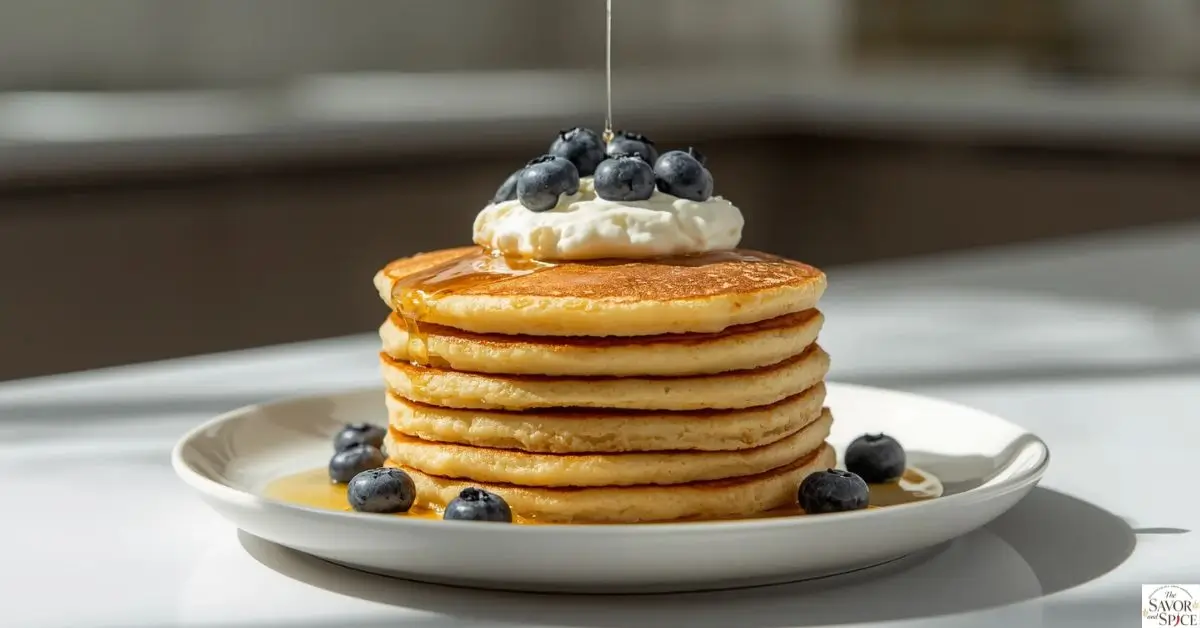
Best Protein Pancakes Recipe (Fluffy, Healthy & Easy to Make)
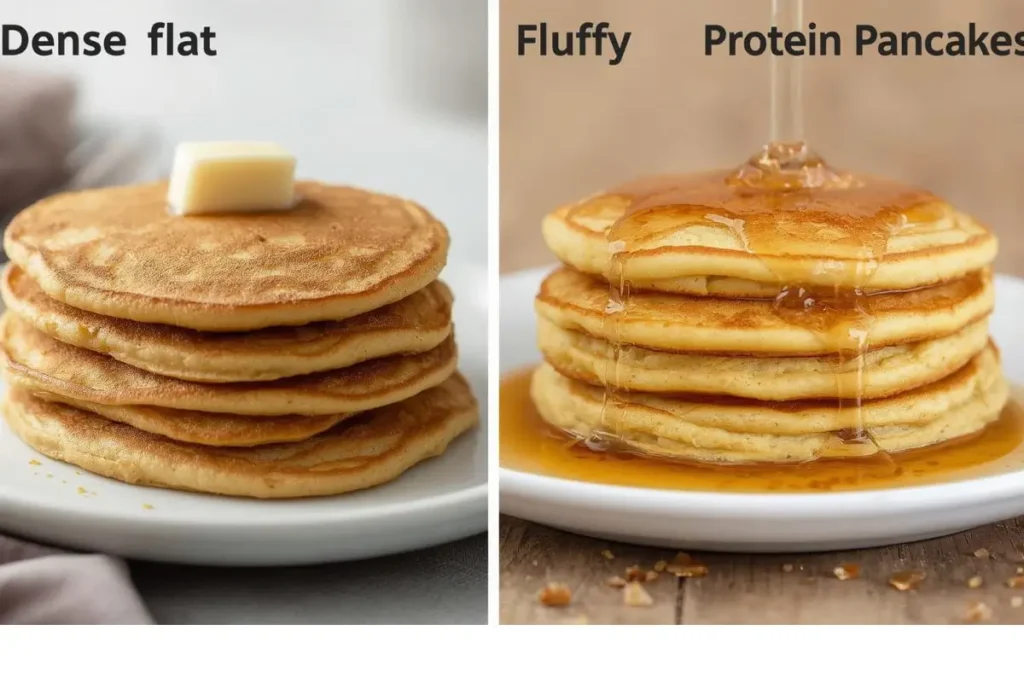
If you’ve ever made protein pancakes that came out dense, rubbery, or dry enough to chalk a blackboard, you’re not alone. That was me for a long time. I kept swapping in protein powder, hoping to get fluffy, golden pancakes with a real nutrition boost, and I kept ending up with something that tasted like a hockey puck.
After testing dozens of batches with different protein powders, ratios, and techniques, I finally cracked it. This protein pancakes recipe gives you stacks that are genuinely soft and fluffy, packed with protein, and easy enough to pull together on a weekday morning. Let me show you exactly how and why each step matters.
If you’ve also struggled with dense or rubbery pancakes before, you might also want to check out my guide to fluffy pancake recipes for more foolproof breakfast ideas that always turn out light and airy.
Why You’ll Love This Protein Pancake Recipe
- High in protein – each serving delivers around 25–30g of protein depending on your powder
- Actually fluffy – not dense, not rubbery, not dry
- Simple ingredients – nothing you can’t find at a regular grocery store
- Beginner-friendly – if you can make regular pancakes, you can make these
- Meal-prep friendly – they freeze and reheat beautifully
- Adaptable – works with whey, plant-based protein, or no protein powder at all
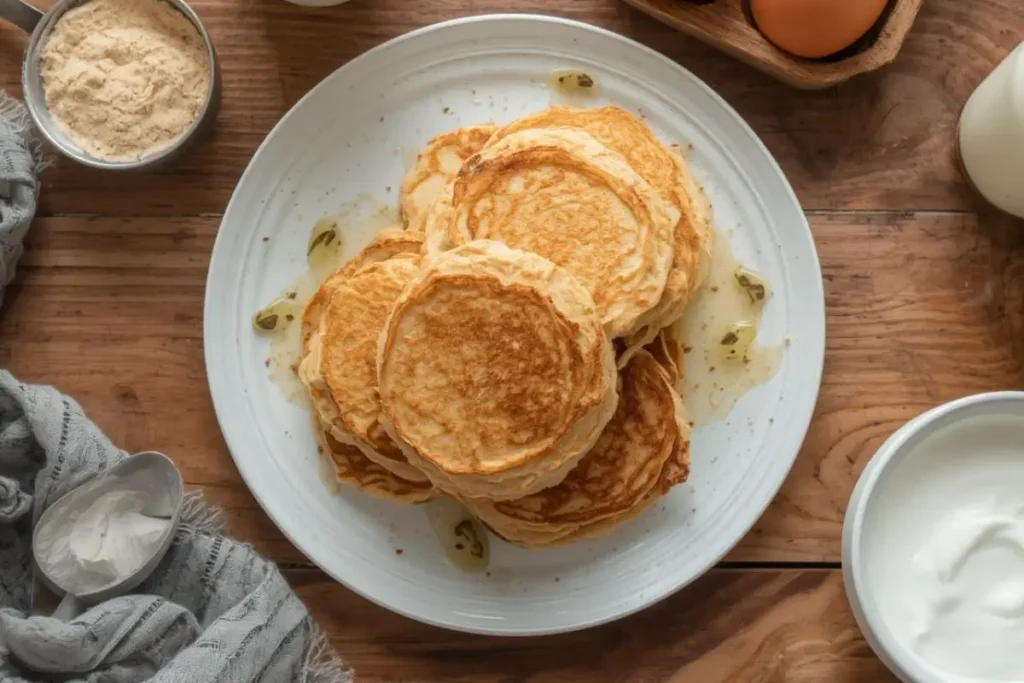
If you’re into healthy breakfasts, you’ll also love these high-protein breakfast ideas that make it easy to stay full and energized throughout the day.
What Makes These Protein Pancakes Different?
Most protein pancake recipes are just a standard pancake recipe with a scoop of protein powder thrown in. The problem is that protein powder behaves differently from flour. It absorbs more liquid, tightens the batter, and can make the texture dense and dry if you don’t compensate for it.
This recipe is built around protein powder from the start. The liquid ratio is adjusted. The leavening is slightly increased. The mixing technique is deliberate. The result is a pancake that holds together, rises properly, and tastes like something you’d actually want to eat on a Saturday morning, not just something you’re choking down for macros.
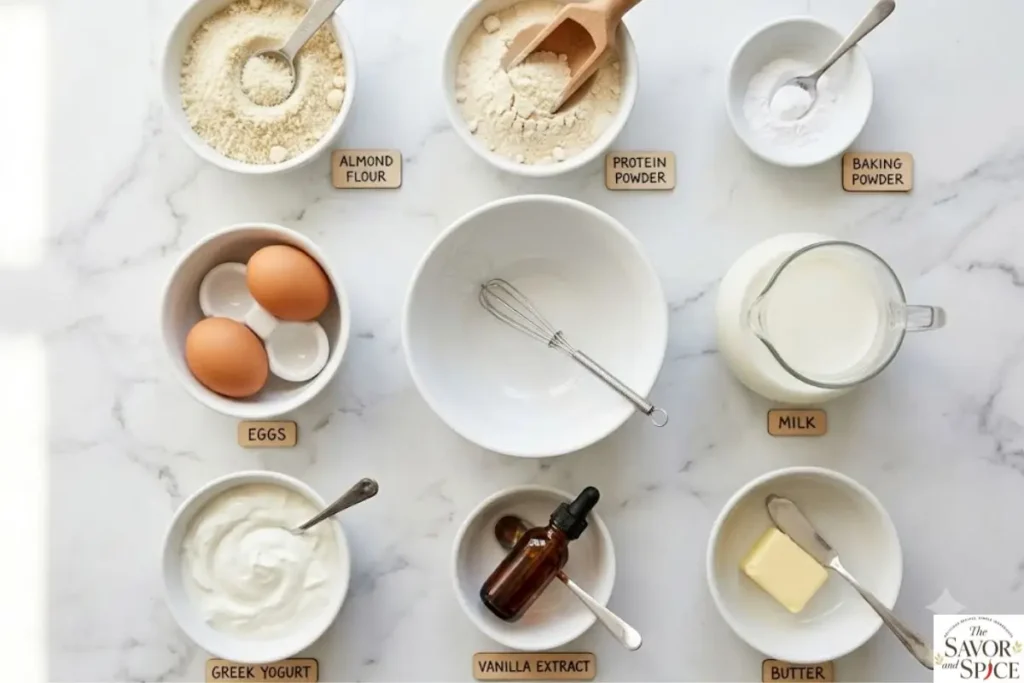
Ingredients You’ll Need
(Makes approximately 8 pancakes – 2 servings)
- 1 scoop (30g) vanilla protein powder – The main source of protein. Vanilla works well with almost any topping, but chocolate or unflavored protein powder can also be used.
- ½ cup (60g) all-purpose flour – Adds structure and helps keep the pancakes soft instead of dense or rubbery.
- 1½ teaspoons baking powder – Gives the pancakes a light, fluffy rise.
- ¼ teaspoon salt – Enhances the overall flavor and balances the sweetness.
- 2 large eggs – Bind the batter together while adding richness and extra protein.
- ¾ cup milk (dairy or plant-based) – Creates the right batter consistency. Whole milk makes the pancakes extra tender, but oat or almond milk also works well.
- ¼ cup plain Greek yogurt – Adds moisture, a slight tang, and extra protein for a softer texture.
- 1 teaspoon vanilla extract – Enhances the flavor and complements the protein powder.
- 1 tablespoon melted butter or coconut oil – Adds richness and helps keep the pancakes moist and tender.
Optional Add-Ins
Customize your pancakes with any of these favorites:
- ½ cup fresh or frozen blueberries – Add bursts of juicy sweetness in every bite.
- ¼ cup mini chocolate chips – Perfect for a sweeter, dessert-inspired breakfast.
- 1 mashed ripe banana – Adds natural sweetness and extra moisture.
- ¼ cup chopped walnuts or pecans – Brings a delicious crunch and healthy fats.
- 1 teaspoon ground cinnamon – Adds warm, cozy flavor that pairs well with vanilla or banana.
- 1 tablespoon chia seeds or ground flaxseed – A simple way to boost fiber and nutrition.
Choosing the Best Protein Powder for Pancakes
This is the section most recipes skip, and it’s the reason so many homemade protein pancakes fail. Not all protein powders behave the same in batter.
Whey Concentrate
The most forgiving option. It blends smoothly, absorbs liquid well, and produces a soft, fluffy result. This is what I use most often and what this recipe was tested with.
Whey Isolate
Works well, though it’s slightly drier than concentrate. You may need to add 1–2 tablespoons extra milk to get the same batter consistency.
Casein Protein
Very thick when mixed with liquid. It can make the batter gluey if you use a full scoop. If you want to use casein, start with ¾ of a scoop and add milk gradually until the batter pours like thick cream.
Plant-Based / Vegan Protein
Pea protein, brown rice protein, and mixed blends are more absorbent than whey. Add an extra 2–3 tablespoons of milk and let the batter rest for 3–4 minutes before cooking. This gives the powder time to fully hydrate and prevents a gritty texture.
Vanilla vs. Chocolate
Both work. Vanilla gives you more flexibility with toppings. Chocolate protein powder pairs especially well with banana or peanut butter. Unflavored protein powder produces a more neutral pancake, add an extra half teaspoon of vanilla extract and a pinch of cinnamon to compensate.
My recommendation for beginners: Start with a vanilla whey concentrate. It’s the most predictable and gives the best texture.
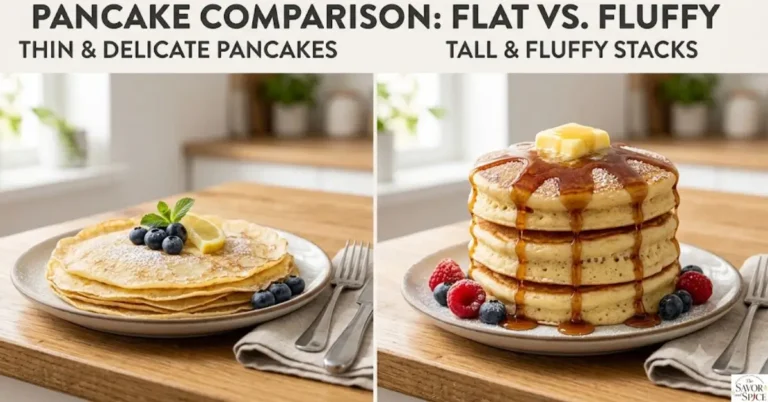
Protein powder changes the texture of pancake batter, so it’s easier to end up with dense or flat pancakes if the batter is overmixed or the liquid ratio is off. If your pancakes aren’t rising the way you expected, read our complete guide on Why Are My Pancakes Flat? to learn the most common causes and simple fixes.
How to Make Protein Pancakes (Step-by-Step)
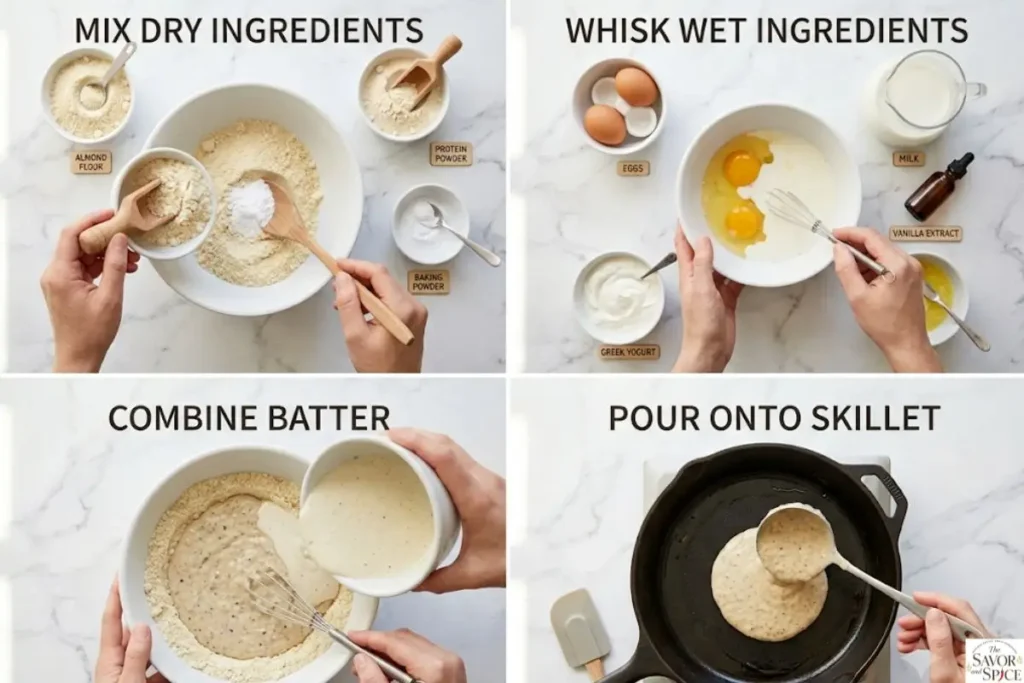
Step 1: Mix Your Dry Ingredients
In a medium bowl, whisk together the protein powder, flour, baking powder, and salt. Make sure the baking powder is evenly distributed. Lumps here mean an uneven rise in the pan.
Step 2: Mix Your Wet Ingredients
In a separate bowl or large measuring jug, whisk together the eggs, milk, Greek yogurt, vanilla extract, and melted butter. Whisk until smooth. You don’t want streaks of yogurt.
Step 3: Combine
Pour the wet ingredients into the dry ingredients. Stir gently with a spatula or wooden spoon until just combined. Stop the moment you can no longer see dry flour. The batter will look lumpy & that’s correct.
Important: I’ve found that stopping the mixing as soon as the flour disappears keeps these pancakes much softer. Overmixing develops the gluten in the flour and, combined with the protein powder, can make the final pancake dense and chewy. Lumpy batter is your friend here.
Let the batter rest for 3-5 minutes while you heat your pan. This gives the baking powder time to activate and the protein powder time to fully absorb the liquid.
Step 4: Cook
Heat a non-stick skillet or griddle over medium-low heat. Lightly grease with butter or cooking spray. When a drop of water flicked onto the surface sizzles and evaporates within 2 seconds, you’re ready.
Pour approximately ¼ cup of batter per pancake. Leave space between them — they’ll spread slightly.
Cook until bubbles form across the surface and the edges look set and dry (about 2–3 minutes). Flip once. Cook the second side for 1–2 minutes.
Don’t press the pancakes down with the spatula. I know the temptation is real, but pressing squeezes out the air bubbles that create the fluffy texture. Leave them alone.
Step 5: Serve Immediately
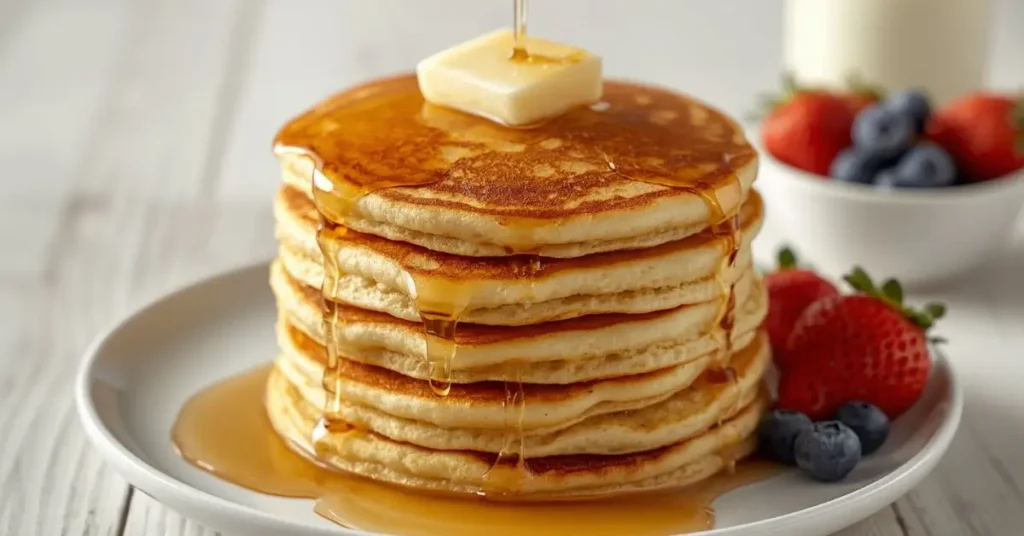
Protein pancakes are best eaten fresh. Stack them and serve right away.
Expert Tips for Perfect Protein Pancakes Every Time
After making these more times than I can count, these are the things that actually make a difference:
- Don’t overmix. Already said it, but it’s worth repeating. Mix until combined and then stop.
- Let the batter rest. Even 3 minutes makes a visible difference in rise and texture.
- Cook on medium-low, not medium-high. Protein pancakes brown faster than regular pancakes because of the sugar content in most protein powders. High heat burns the outside before the inside is cooked through.
- Flip only once. Every time you flip a pancake, you risk deflating it. One flip, that’s it.
- Use room temperature ingredients. Cold eggs and cold milk can cause the melted butter to seize up into small lumps. Let them sit out for 10–15 minutes before mixing.
- Don’t crowd the pan. Cook 2-3 pancakes at a time, depending on your pan size. Overcrowding drops the temperature and leads to uneven cooking.

Fluffy Protein Pancakes (Easy, High-Protein Breakfast Recipe)
Ingredients
Equipment
Method
- In a bowl, whisk together protein powder, flour, baking powder, and salt.
- In another bowl, whisk eggs, milk, Greek yogurt, vanilla extract, and melted butter until smooth.
- Pour wet ingredients into dry ingredients and mix gently until just combined (do not overmix). Batter should be slightly lumpy.
- Let batter rest for 3-5 minutes.
- Heat a non-stick pan over medium-low heat and lightly grease it.
- Pour ¼ cup batter per pancake onto the pan.
- Cook until bubbles form and edges look set (2-3 minutes).
- Flip once and cook for another 1-2 minutes until golden.
- Serve warm with toppings of choice.
Notes
- Do not overmix the batter, this is the #1 reason pancakes turn dense.
- Medium-low heat ensures the inside cooks without burning the outside.
- Letting the batter rest improves fluffiness.
- Protein powder type affects texture (whey works best).
- Batter should be thick but pourable.
Common Mistakes to Avoid
These are the most common reasons protein pancakes go wrong:
- Using too much protein powder. More protein doesn’t mean better pancakes. One scoop per batch is the sweet spot. More than that and the batter becomes dry, gummy, or overly dense.
- Cooking over high heat. The sugars in protein powder caramelize quickly. You’ll get a burnt exterior and a raw center. Medium-low heat is the move.
- Batter too thick. If you can’t pour the batter, it’s too thick. Add milk one tablespoon at a time until it flows off the spoon slowly and steadily.
- Batter too thin. If it runs like water, the pancakes won’t hold together. Add a tablespoon of flour and stir gently.
- Overmixing. This is on the list again because it is genuinely the most common mistake.
- Expired baking powder. Test it: drop a teaspoon into hot water. If it doesn’t bubble immediately and vigorously, replace it. Flat batter is often an expired leavening issue, not a recipe issue.
- Skipping the fat. Butter or oil in the batter isn’t optional – it lubricates the gluten strands and keeps the crumb tender. Without it, protein pancakes go dry fast.
Protein Pancakes Variations To Try
Once you’ve nailed the base recipe, these variations are simple and delicious:
Banana Protein Pancakes
Banana adds natural sweetness, moisture, and a subtle flavor that pairs beautifully with chocolate protein powder. Get the full recipe guide on banana pancakes here.
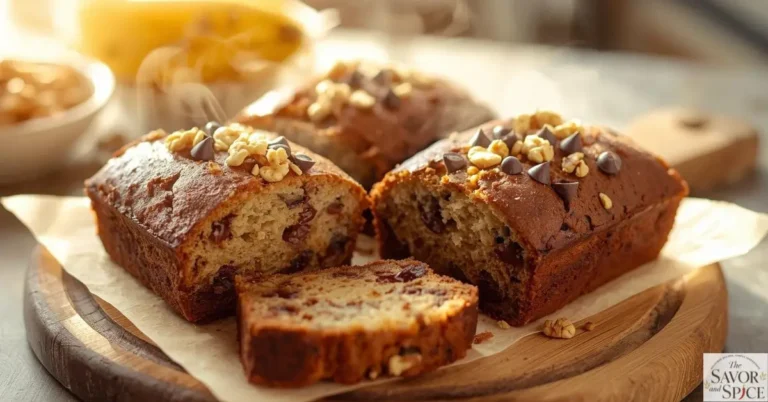
When you have extra ripe bananas, this small-batch banana bread is a great option for meal prep, breakfast, or an afternoon snack.
Blueberry Protein Pancakes
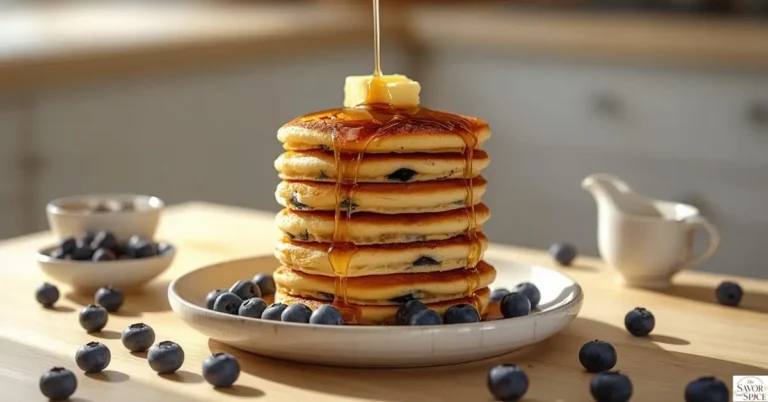
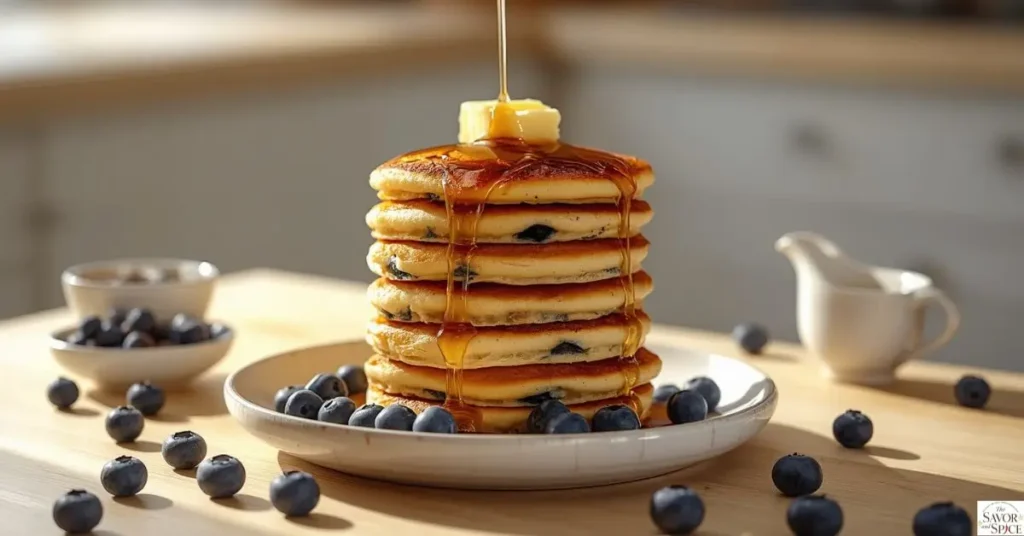
Blueberry pancakes are a breakfast treat. They also provide nutrients from fresh blueberries, including antioxidants, vitamin C, and fiber. If using frozen, don’t thaw them first. They’ll bleed less.
Chocolate Protein Pancakes
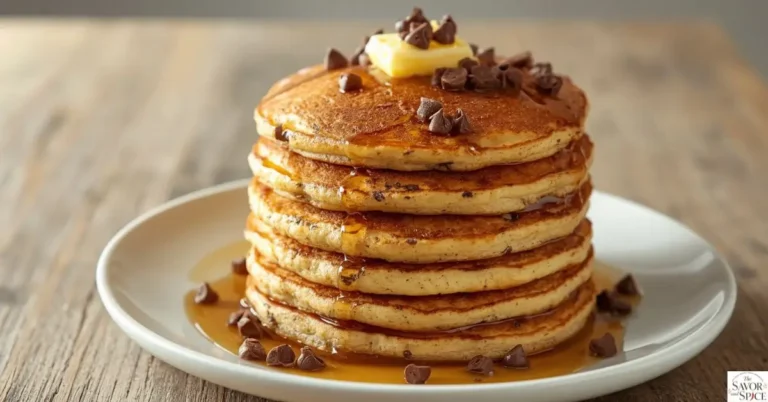
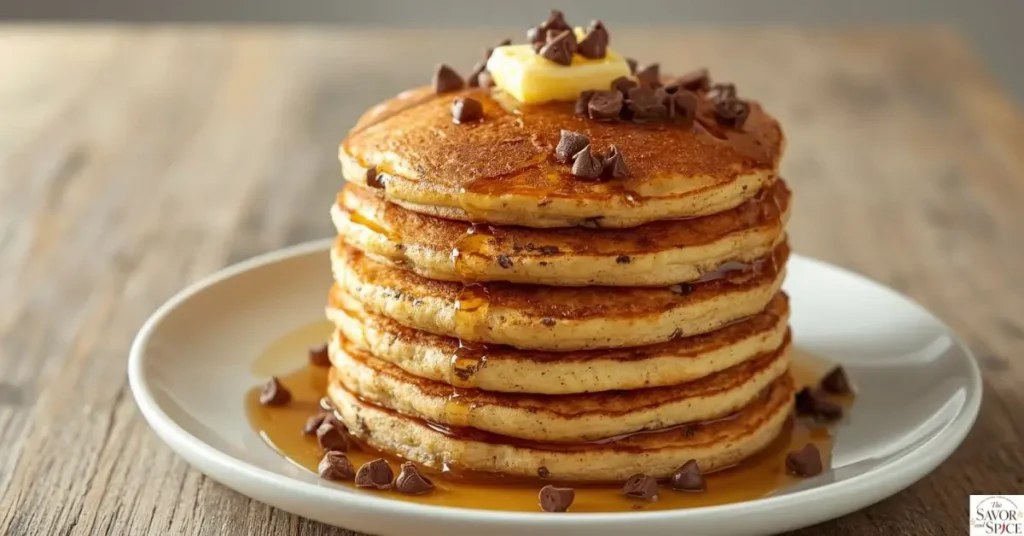
Use chocolate protein powder instead of vanilla and add 1 tablespoon of unsweetened cocoa powder. These are genuinely dessert-adjacent. Chocolate chip pancakes are the best breakfast recipe for you kids.
Cottage Cheese Protein Pancakes
Replace Greek yogurt with ¼ cup full-fat cottage cheese. Blend the cottage cheese smooth first for the best texture. This version has an especially creamy, rich crumb.
Oatmeal Protein Pancakes
Replace all-purpose flour with oat flour (blend rolled oats until fine). Adds fiber and a mild, nutty flavor. Slightly denser than the standard version, but very filling.
Greek Yogurt Protein Pancakes
Double the Greek yogurt to ½ cup and reduce milk to ½ cup. These are tangier and extra moist.
Gluten-Free Protein Pancakes
Swap all-purpose flour for a 1:1 gluten-free baking flour blend. The texture is slightly different but still very good.
If you love simple breakfast recipes you’ll also love my classic pancakes and fluffy buttermilk pancakes.
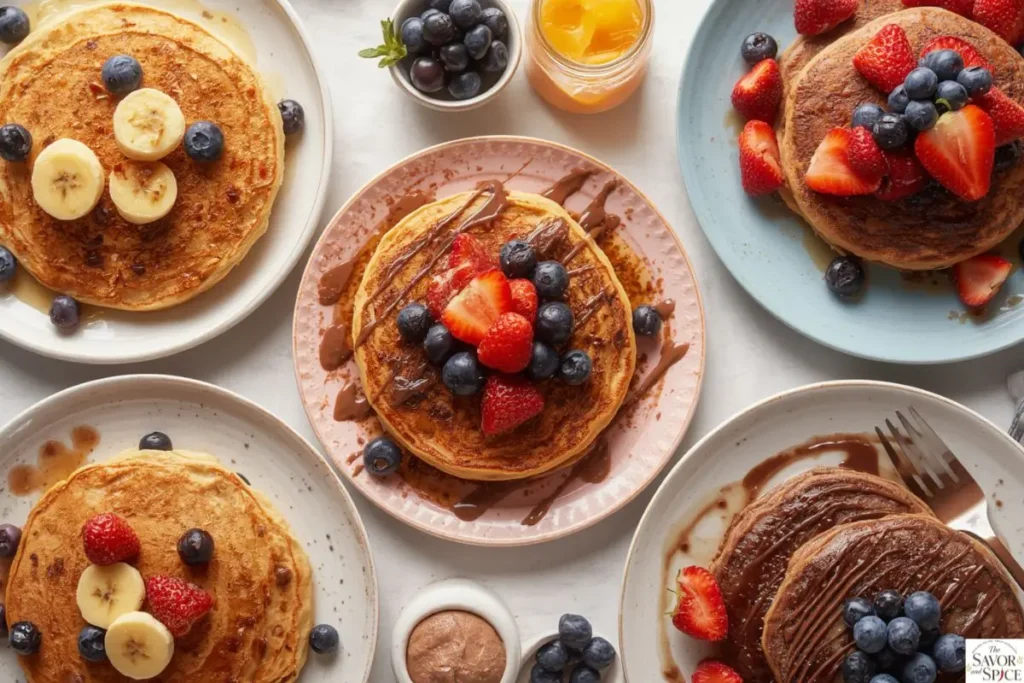
Best Toppings for Protein Pancakes
Skip the heavy maple syrup flood and try some of these options that complement the protein theme:
- Greek yogurt – adds more protein and a creamy contrast
- Peanut butter or almond butter – healthy fats and extra protein; thin with a little warm water if needed
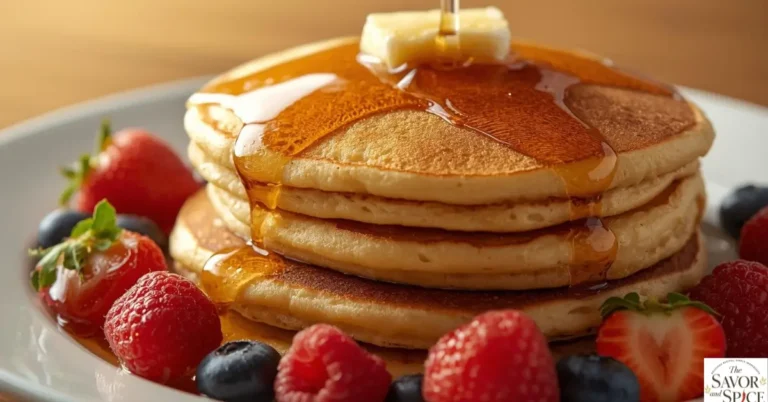
- Fresh berries – strawberries, blueberries, or raspberries add brightness without a lot of sugar
- Honey – a drizzle goes a long way; better than heavy syrup
- Maple syrup – if you’re going to use it, a light drizzle is plenty; these pancakes are subtly sweet on their own
- Chia seeds – sprinkle on top for extra fiber
- Sliced banana – classic, especially with chocolate protein pancakes
- Chopped nuts – walnuts or pecans add crunch and healthy fats
- Dark chocolate chips – a small handful melted on top of a warm stack is never wrong
Storage, Freezing & Reheating
Protein pancakes are one of the best breakfasts to meal prep because they reheat incredibly well.
Refrigerator: Stack cooled pancakes with a small piece of parchment paper between each one. Store in an airtight container for up to 4 days. Reheat in the microwave for 30-45 seconds or in a toaster for a slightly crispier edge.
Freezer: Lay cooled pancakes in a single layer on a baking sheet and freeze for 1–2 hours until solid. Then transfer to a freezer-safe bag or container with parchment between layers. They’ll keep for up to 2 months.
Reheating from frozen: Microwave for 60-90 seconds, flipping halfway through. Or toast directly from frozen on a medium setting. They come out almost as good as fresh.
Meal prep tip: Make a double batch on Sunday. Stack and freeze them in portions of 2–3 pancakes per portion. On weekday mornings, pull a portion from the freezer and reheat in under 2 minutes. That’s a 30g protein breakfast with zero morning effort.
Nutrition Benefits
These aren’t just high in protein – they’re a genuinely balanced breakfast.
Protein: Approximately 25–30g per serving (2 large pancakes), depending on the protein powder used. That’s roughly half of many people’s daily protein target in one meal.
Complex carbohydrates: The flour and any oats you add provide sustained energy without a sharp blood sugar spike. This makes them a solid pre-workout or post-workout meal.
Healthy fats: The eggs and butter provide fat-soluble vitamins (A, D, E, K) and help with satiety. You’ll stay full longer than you would with a high-carb, low-fat breakfast.
Post-workout benefits: Protein is essential for muscle repair after training. Pairing it with carbohydrates (the flour, any fruit toppings) enhances glycogen replenishment and helps protein synthesis. A stack of these within 60-90 minutes of training is a genuinely good recovery meal.
Lower sugar than standard pancakes: Standard pancake mixes often contain added sugar. This recipe gets its subtle sweetness from the protein powder and vanilla extract, with no added sugar in the batter itself.
Frequently Asked Questions
Can I make protein pancakes without protein powder?
Yes. Increase the Greek yogurt to ½ cup and add an extra egg. You won’t hit the same protein numbers, but you’ll still get a higher-protein pancake than a standard recipe. Cottage cheese is another excellent swap. It blends smoothly and adds protein without a powdery texture.
Can I use plant-based protein powder?
Absolutely. Add 2–3 extra tablespoons of milk because plant-based protein is more absorbent than whey. Let the batter rest for 4–5 minutes before cooking.
Why are my protein pancakes dry?
The most common causes are: too much protein powder, not enough fat in the batter, overmixing, or cooking over too-high heat. Check all four before adjusting the recipe.
Can I make protein pancakes without banana?
Yes – this recipe doesn’t use a banana at all. The Greek yogurt handles the moisture. Banana is completely optional as a flavor add-in.
Can I make them without oats?
This recipe uses all-purpose flour rather than oats, so yes. If you prefer an oat-based version, see the oatmeal variation above.
Can I use oat flour instead of all-purpose flour?
Yes. Use the same amount. The pancakes will be slightly heartier and a little more filling. Great option if you want added fiber.
Can I make the batter the night before?
The batter is best used immediately because the baking powder activates when it contacts liquid – letting it sit too long means less rise. If you must prep ahead, mix the dry ingredients and wet ingredients separately and combine them in the morning.
More Pancake Recipes
Final Thoughts
A protein pancakes recipe doesn’t have to be a compromise. With the right technique – the right liquid ratio, gentle mixing, medium-low heat, a good rest before cooking – you can have a stack that’s fluffy, flavorful, and genuinely satisfying, with the protein content to back it up.
This recipe is the one I come back to every week. It’s the version I make on Sunday afternoons and portion into the freezer. It’s the breakfast I actually want to eat before a workout, not just the one I force myself to eat for the macros.
Give it a try. Adjust the protein powder to whatever you have on hand. Play with the toppings. And if you’ve been frustrated with dry or dense protein pancakes before, I’d genuinely love to know if these land differently for you.
Tried this recipe? Leave a comment below and let me know how it went. And if you found the troubleshooting section useful, share it with someone who’s been battling the dry-pancake problem, they’ll thank you.