
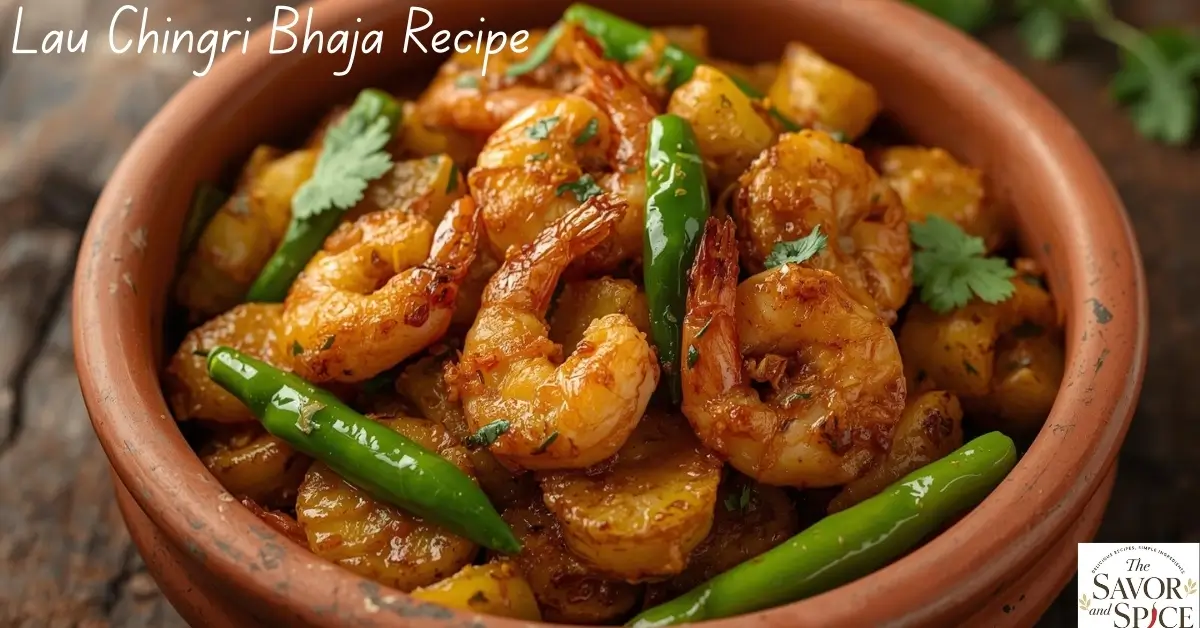
If your family loves authentic Bengali flavors, this Lau Chingri Bhaja recipe is a must-try. A classic bottle gourd and shrimp stir-fry, it’s simple to make at home and packed with the rich aroma of mustard oil, tender bottle gourd, and crispy shrimp. Whether you’re looking for an original Bengali side dish or want to add a traditional touch to your table, this recipe brings the taste of Bengali kitchens straight to your table.
I’ve tried this Quick Bengali Lau Chingri Bhaja recipe countless times, experimenting with cooking times and spice levels to achieve the perfect balance of flavors. With a few easy steps and common ingredients, even first-time cooks can create this delicious dish. In this guide, I’ll share the full step-by-step Guide to Lau Chingri Bhaja, tips for variations, and advice on how to serve it for a truly satisfying Bengali meal.
Lau Chingri Bhaja Recipe Details
| Prep Time | Cook Time | Total Time | Servings | Estimated Cost |
|---|---|---|---|---|
| 10 mins | 15 mins | 25 mins | 2-3 | $3-4 |
What You’ll Need for Lau Chingri Bhaja Recipe
Cooking Lau Chingri Bhaja is all about simplicity, freshness, and balance. Over the years, I’ve found that using the right type of bottle gourd and perfectly sized shrimp makes all the difference. Preparing the ingredients carefully not only saves time but also ensures every bite is packed with authentic Bengali flavors.
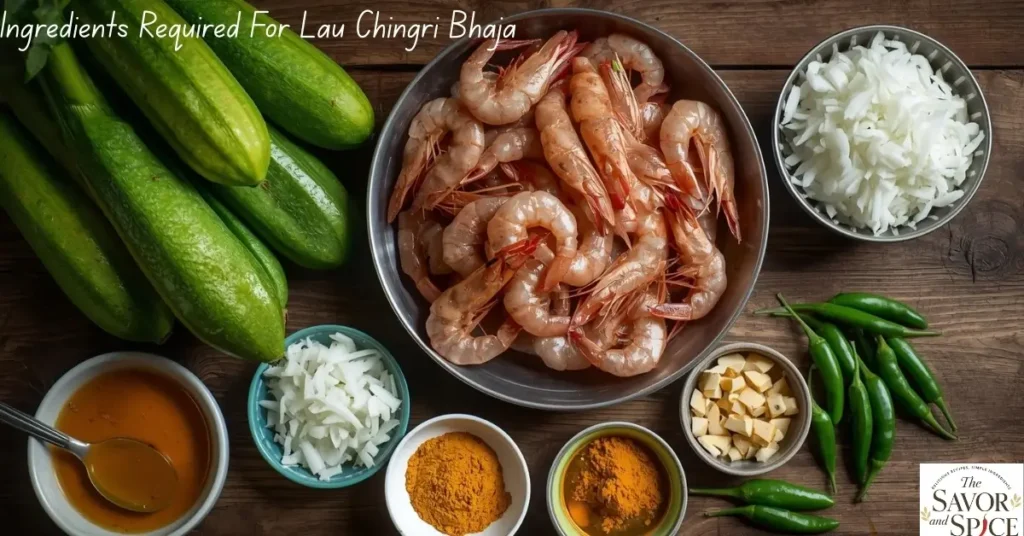
Bottle Gourd (Lau) – 1 medium
I prefer a fresh, slightly firm lau that’s not too watery. Peel it carefully and cut into thin, even slices so it cooks quickly and absorbs the mustard oil flavor perfectly. I’ve noticed that thicker pieces can sometimes stay a little raw inside, so thin slicing is key.
Small Shrimp (Chingri) – 200g
Fresh or frozen small shrimp work well. I usually clean and devein them myself. It’s a bit time-consuming, but it really makes the dish taste fresh. Frying shrimp lightly before adding it to the lau gives that wonderful crispy texture that I love.
Mustard Oil – 2-3 tbsp
This is the soul of any Bengali bhaja. I personally always heat it till it smokes lightly before frying as it removes the raw pungency but keeps that signature mustard flavor. It gives the dish that authentic aroma you just can’t replicate with other oils.
Turmeric Powder – ½ tsp
Just enough to give a subtle color and earthy aroma. I like to sprinkle it directly on the lau before frying so it coats the slices evenly.
Green Chilies – 1-2, slits
They add a mild heat and freshness. I sometimes crush them slightly if I want the spice to infuse more into the oil. Adjust based on your tolerance but I personally like just a hint of kick.
Salt – to taste
Salt is essential, of course, I always add a little first while frying the lau and adjust later to balance the flavors.
Optional: Grated Ginger or Garlic – 1 tsp
If you like extra aroma, a touch of ginger or garlic makes the dish more vibrant. I usually skip it when I want the pure mustard-shrimp flavor to shine.
Tip Top: I always prepare all the ingredients first because it makes the cooking process so much faster and really enjoyable. You want the lau to cook just right while the shrimp stays crispy, and having everything ready is the trick.
How to Make Lau Chingri Bhaja the Authentic Bengali Way?
This Lau Chingri Bhaja recipe comes together very quickly, but a few small details make a big difference in flavor and texture. I’ve learned that cooking it patiently, step by step, helps keep the shrimp crispy while the bottle gourd stays tender and lightly caramelized. Follow these simple steps, and you’ll get a perfectly balanced Bengali bottle gourd and shrimp stir-fry every time.
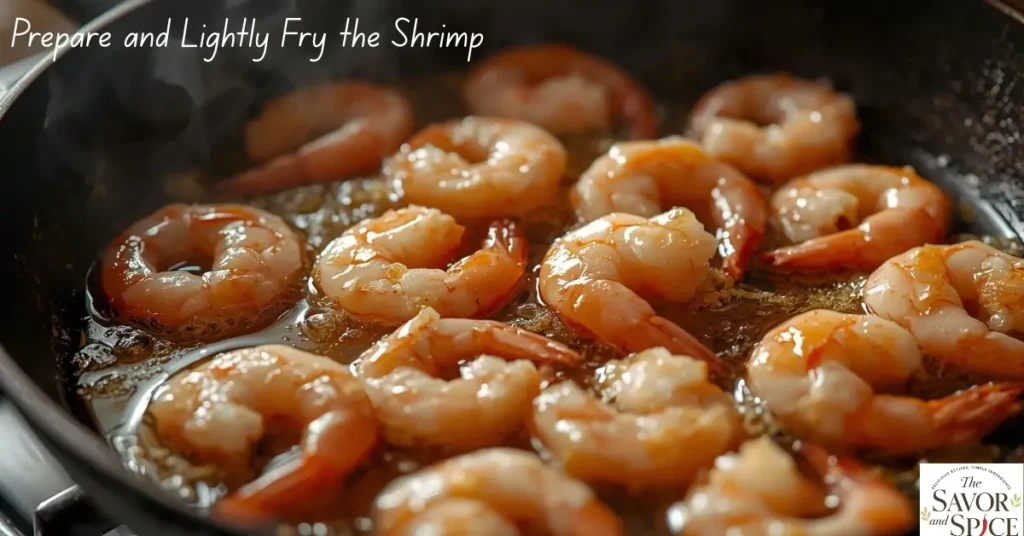
Prepare and Lightly Fry the Shrimp
Wash and pat the shrimp completely dry. I always do this carefully because any moisture can prevent them from crisping up. Heat a little mustard oil in a pan and lightly fry the shrimp with a pinch of salt and turmeric until they turn pink and slightly crisp. Remove them and set aside. This step keeps the shrimp juicy inside while adding texture to the dish.
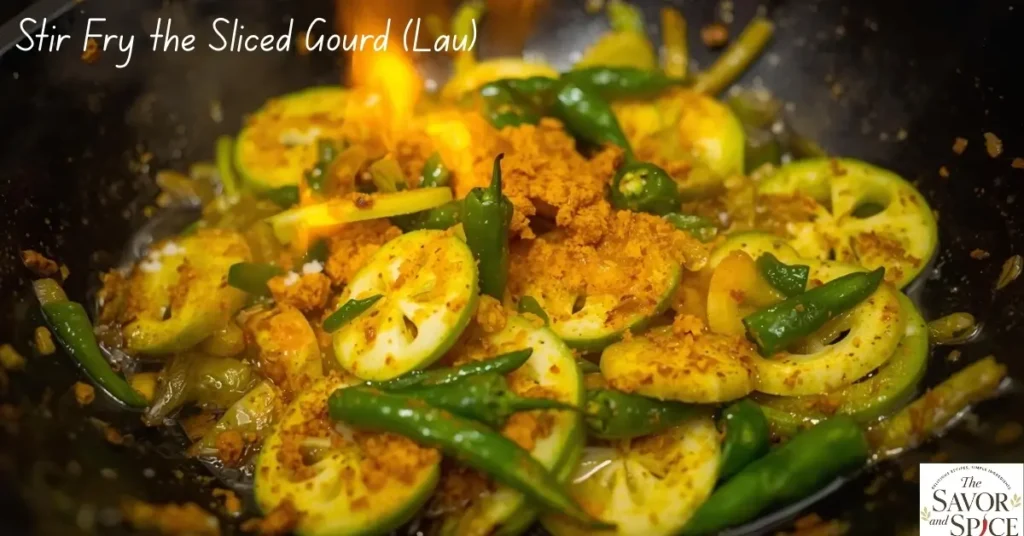
Stir-Fry the Bottle Gourd for Perfect Texture
Using the same pan, add a bit more mustard oil if needed and let it heat properly. Add the sliced bottle gourd (lau), turmeric, salt, and green chilies. Stir-fry on medium heat until the lau softens and starts to release its natural sweetness. From my experience, avoiding too much stirring helps the lau cook evenly without becoming mushy.
Combine Shrimp and Lau for Final Flavor
Once the bottle gourd is tender, gently add the fried shrimp back to the pan. Mix everything well and cook for another 2-3 minutes so the flavors come together. This is where the dish really transforms into a comforting, quick Bengali side dish with that unmistakable mustard oil aroma.

Finish and Serve Warm
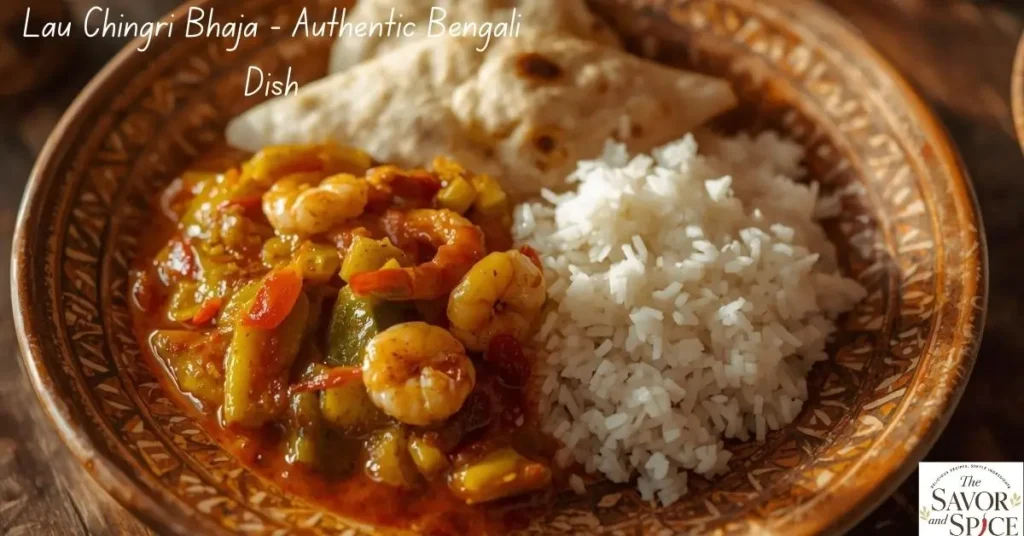
Turn off the heat and let the dish rest for a minute before serving. I like to keep it simple and serve this Lau Chingri Bhaja recipe with plain steamed rice and daal, that’s when its delicate flavors truly shine.
Cooking Tips for Perfect Lau Chingri Bhaja Every Time
Even though this Chingri Bhaja recipe is easy and simple, a few small tips & tricks can take it from good to truly authentic. These are little things I’ve learned over time that help maintain the right texture, aroma, and balance of flavors in this classic Bengali side dish.
- Choose a fresh, firm bottle gourd: A watery or overripe lau can turn mushy quickly. I always look for one that feels light and firm, which cooks evenly and keeps a slight bite.
- Pat the shrimp completely dry before frying: This is one step I never skip. Dry shrimp fry better, stay juicy inside, and develop that light crispiness that makes this dish so satisfying.
- Heat mustard oil properly: Let the mustard oil smoke lightly before adding ingredients. This removes its raw sharpness but keeps the authentic Bengali aroma that defines a good bottle gourd shrimp stir-fry.
- Don’t overcook the lau: From experience, overcooking the bottle gourd can make it soft and watery. Stir-fry just until tender so it still holds its shape and natural sweetness.
- Add shrimp at the right time: Always return the shrimp at the final stage. Cooking them too long with the lau can make them chewy, which affects the overall texture.
- Keep the seasoning simple: This dish shines with minimal spices. I’ve found that turmeric, salt, green chilies, and mustard oil are more than enough to let the main ingredients stand out.
What Are the Health Benefits of Bottle Gourd and Shrimp?
Although shrimp is low in calories, it contains many nutrients, including antioxidants, that may offer health benefits. But it is high in cholesterol. Bottle gourd (lau) is known for supporting digestion and keeping meals light, which is why it’s commonly used in Bengali home cooking. Shrimp provides essential protein and minerals while staying low in fat. From my experience, this combination feels satisfying without causing heaviness, especially when paired with plain rice and dal. The use of mustard oil in small amounts also adds healthy fats and enhances flavor without the need for extra spices. You can check the health benefits of shrimp.
Lau Chingri Bhaja, Your Way – Simple Variations to Try
One of the things I enjoy most about this Lau Chingri Bhaja recipe is how easily it adapts to different tastes and occasions. With just a small changing or two, you can create a new version while still keeping that authentic Bengali feel. These are a few variations I’ve tried over time and genuinely enjoy.
Lau Chingri Bhaja Without Shrimp (Vegetarian Style)
For days when I want something lighter, I simply skip the shrimp and focus on the bottle gourd. A little extra mustard oil and green chili bring enough flavor to make this vegetarian version satisfying and comforting. It pairs beautifully with plain rice and dal.
Spicy Lau Chingri Bhaja for Heat Lovers
If you enjoy a bit of heat, adding extra green chilies or a pinch of red chili powder works well. I usually go light so the spice doesn’t overpower the natural sweetness of the lau and shrimp. This version makes a great quick Bengali side dish with bold flavor.
Lau Chingri Bhaja with Garlic Aroma
Sometimes I add lightly crushed garlic to the oil before stir-frying the lau. It gives the dish a warm, aromatic twist without changing its traditional character. I find this version especially comforting during cooler days.
Light and Less-Oil Lau Chingri Bhaja
When I’m trying to keep things lighter, I reduce the oil slightly and rely on slow stir-frying. The flavors still come through, and the dish feels easy on the stomach while staying true to its roots.

How to Serve Lau Chingri Bhaja for a Complete Bengali Meal?
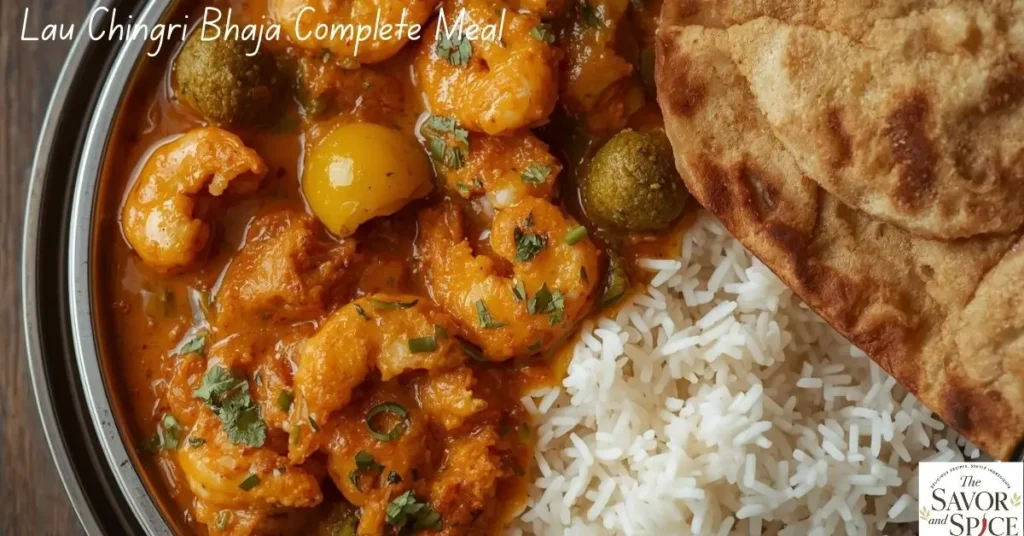
This Lau Chingri Bhaja recipe tastes best when paired with simple, comforting sides. I usually serve it with fluffy white rice, especially on days when I want a light yet satisfying meal. It also goes surprisingly well with Instant Pot pinto beans, adding extra protein and making the plate more filling without overpowering the delicate flavors of the bottle gourd and shrimp.
If you’re planning a slightly heavier or more diverse meal, this dish works nicely alongside Jamaican curry chicken as a balancing side. For freshness, I often add a bowl of cucumber carrot salad, which brings a crisp contrast to the warm stir-fry. On days when rice isn’t an option, soft roti or fresh bread make an easy and comforting pairing.
From my experience, keeping the sides simple allows the mustard oil aroma and natural sweetness of the lau to really shine. Whether served for lunch or dinner, this authentic Bengali bottle gourd and shrimp stir-fry fits beautifully into everyday home meals.
FAQs About Lau Chingri Bhaja Recipe
Can I make Lau Chingri Bhaja recipe without mustard oil?
Yes, you can make this Lau Chingri Bhaja recipe by swapping mustard oil with a neutral oil like sunflower or vegetable oil. However, from my experience, mustard oil gives the dish its authentic Bengali aroma and depth of flavor, so the taste will be slightly different.
Can frozen shrimp be used for Lau Chingri Bhaja?
Of course, Frozen shrimp work well for this Bengali lau chingri bhaja as long as they are properly thawed and patted dry before cooking. Drying the shrimp helps achieve a better texture and prevents excess moisture in the stir-fry.
Is Lau Chingri Bhaja a dry dish or gravy-based?
Lau Chingri Bhaja is traditionally a dry stir-fry. This bottle gourd shrimp stir-fry is meant to be light and simple, making it a perfect quick Bengali side dish for rice and daal.
Can Lau Chingri Bhaja be made vegetarian?
Yes, you can easily turn this Lau Chingri Bhaja into a vegetarian version by skipping the shrimp or replacing them with veggies. Increasing the mustard oil slightly and adding green chilies helps keep the flavors rich and satisfying.
Is Lau Chingri Bhaja good for everyday meals?
Yes, this is one of those easy Bengali vegetable recipes that works well for everyday cooking. It’s light, quick to prepare, and doesn’t rely on heavy spices, making it ideal for regular home meals.
Conclusion
This Lau Chingri Bhaja recipe proves that simple basic ingredients can create truly magical, comforting and traditional flavors. The combination of tender bottle gourd, crispy shrimp, and mustard oil makes it an easy, irresistible everyday Bengali side dish you’ll want to cook again in your kitchen.
If you truly enjoyed this recipe, try our other Easy Side Dishes to create a flavorful, different-cuisines meal in your own kitchen.